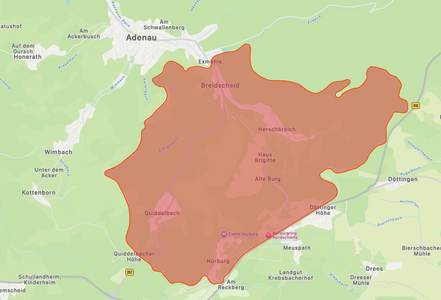
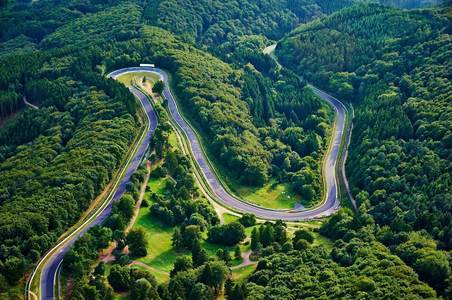
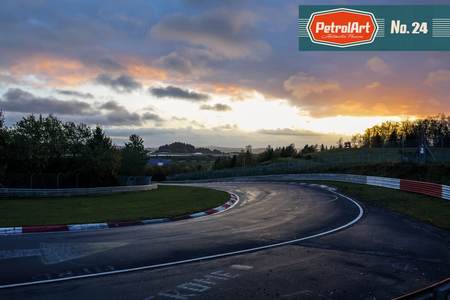
This guide covers the 43 named corners and sections in the map, with Chinese, English and German names for comparison. The Nürburgring Nordschleife is also known as the North Loop or Green Hell. This map uses the full 20.832 km Nordschleife lap.
Map distances are estimated from progress along the drawn path; elevation is interpolated. Both are approximate. Corner stories draw on the references below; some name explanations are legends or informal names. This is an independent project by JJ Ying.
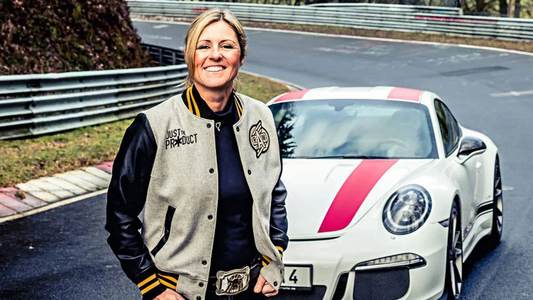
Named in memory of the Queen of the Nürburgring, Sabine Schmitz, who drove at least 33,000 laps here. She won the Nürburgring 24 Hours twice and was the first woman to win the legendary race.
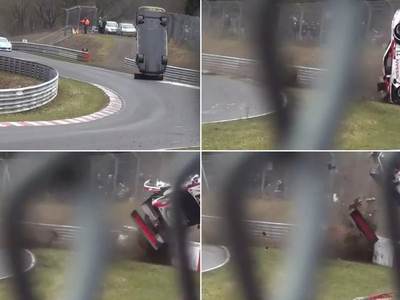
Many people mix this section up with the following Flugplatz, but the right-hander where the GTR took flight and the straight before it are both named after the nearby village of Quiddelbach.
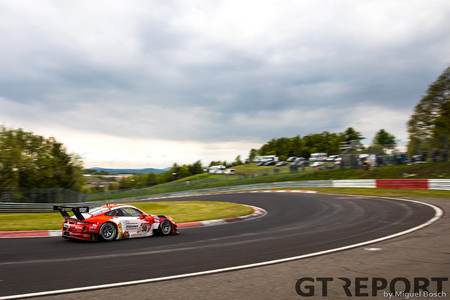
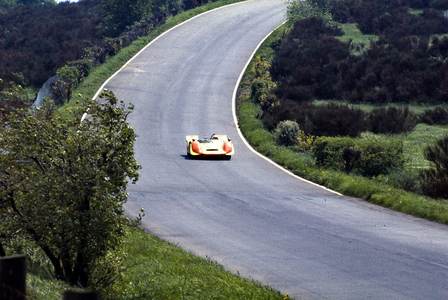
Before the 2015 rebuild there was a crest here, and cars really could get airborne. The name, however, comes from an airfield that once stood beside this corner.
This is one of the few famous Nordschleife corners whose English name is more widely known. Legend says that during construction, a frightened fox hid in a nearby drain, and work could only continue after it was pulled out of the hole.
This is an interesting name. Although Mirror can be read literally from the chicane layout, it was originally one of the Nordschleife's informal names. When people started calling it Mirror Curve, the layout was very different, and the bushes on the left sat so close to the track that many race cars scraped off their left mirrors here.
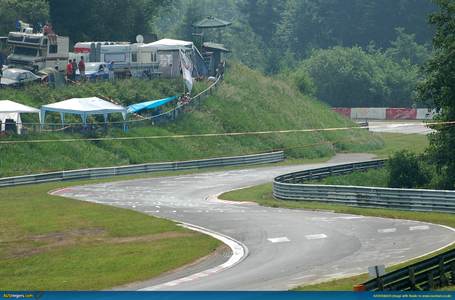
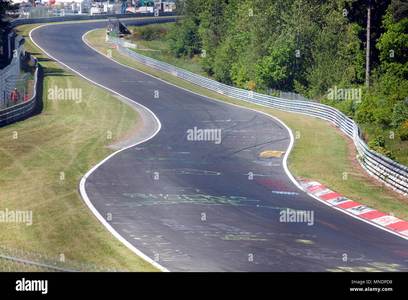
Unlike names based on places or landmarks, this one describes the driving line directly. The sequence has three very obvious curbs; the usual approach is to miss the first and third by staying middle or outside, then hit the second curb.
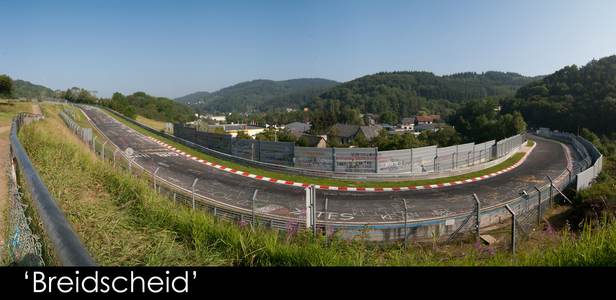
This section once crossed the boundary between Adenau and Breidscheid, and the valley itself was an important defensive position. It is also roughly the slowest cornering point on the whole Nordschleife.
The circuit's lowest point is roughly here, at about 320 meters above sea level. In fact, the elevation difference between the highest and lowest points of the Nordschleife is over 300 meters.
Another name that means almost exactly what it says. There was reportedly a mill here, and the circuit originally planned to place the start in this area, but the mill owner refused to give up his land for the main grandstand.
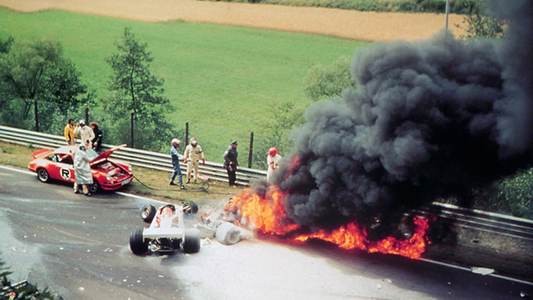
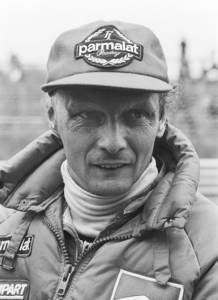
The site of a famous moment in racing history. During the 1976 F1 Grand Prix, Niki Lauda crashed here and his car caught fire. Although he suffered severe burns to his head, he returned just six weeks later and won the championship the following year. The corner was later named after him.
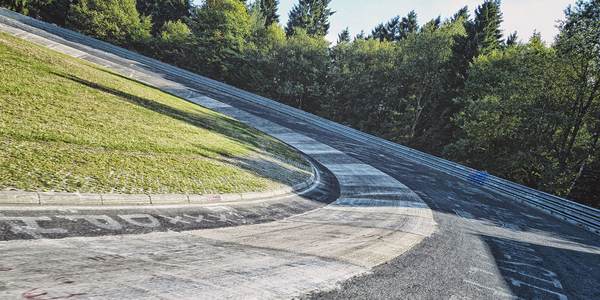
This corner is a large-radius hairpin and is not steep at all, so the literal name can feel odd. It comes from a former steep test section that branched off here, bypassing the Karussell and leading straight toward Hohe Acht. It was later closed because its grade caused cars to roll back and created safety issues.
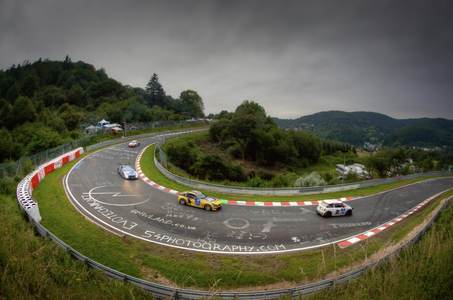
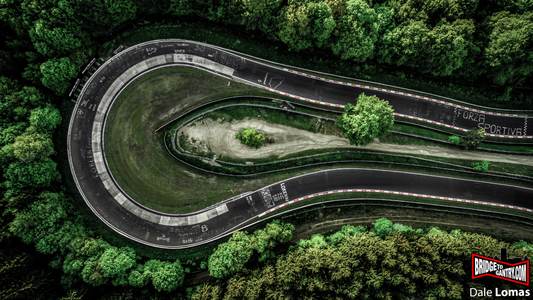
This may be the most famous corner on the Nordschleife. The Caracciola in its German name honors the racing driver Rudolf Caracciola, who pioneered the drainage-ditch line here during races in the 1930s.
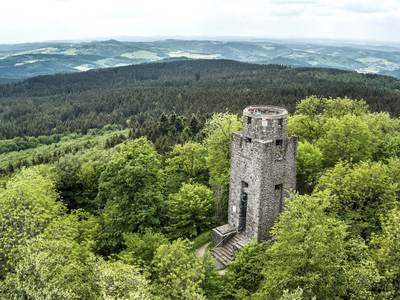
Hohe Acht is a nearby mountain over 700 meters high, though it is not right beside this corner, and this is not the highest point of the track. High Eight is a literal translation, but not a very accurate one: while Acht means eight in German, here the better sense is closer to attention.
The Nürburgring owes much of its creation to Dr. Otto Creuz, a representative of the Eifel region at the time. He named this corner after his wife, Hedgwig.
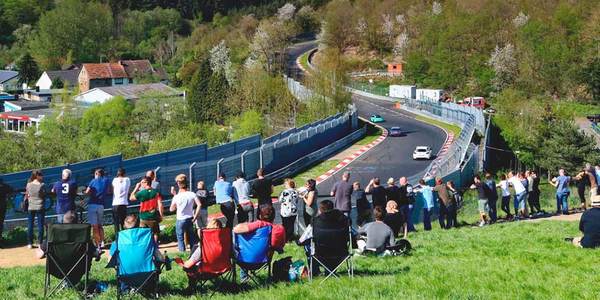
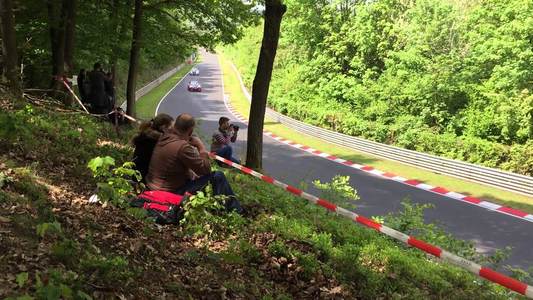
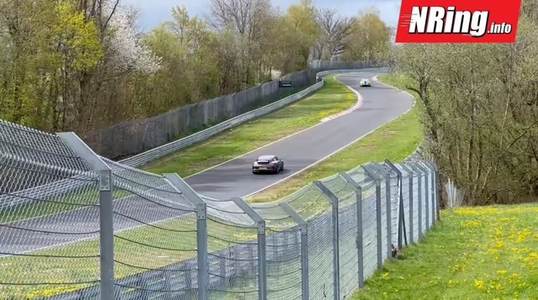
These two consecutive right-handers are usually known as Brünnchen, but the second one is better known worldwide. Spectators often gather here to take photos and videos, and clips of all kinds of cars embarrassing themselves here have become a kind of YouTube staple.
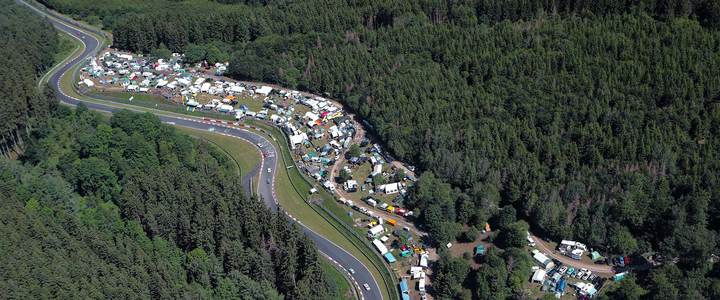
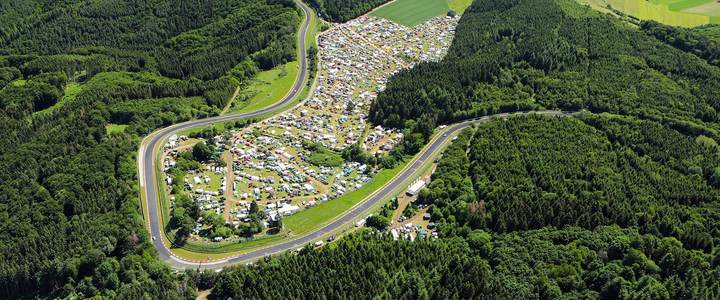
There are many tall trees around this corner. One explanation says it is often the last part of the track to dry after rain, making it as slippery as ice. Another says the trees block the sun, so in winter this area is among the last to thaw.
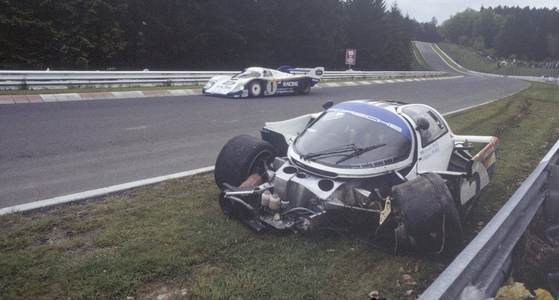
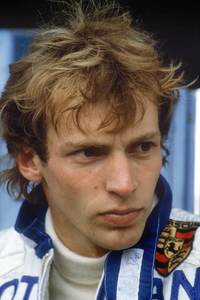
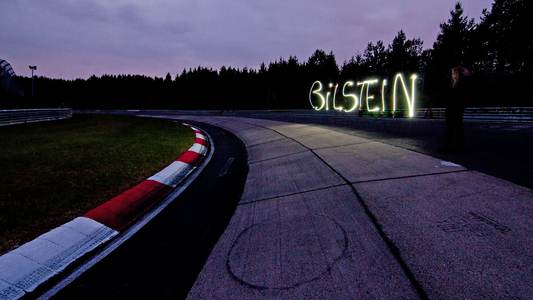
The legendary driver Stefan Bellof set a 6:11.13 lap record at the Nordschleife in a Group C Porsche 956 in 1983, a record that stood for 35 years until Porsche broke it with the 919. He later crashed here, and this section was named after him.
The name makes it sound like a smaller Karussell, but the turn angle, banking shape, and entry speed are all different, so it actually requires a completely different approach.
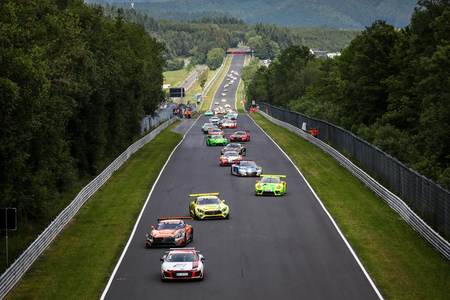
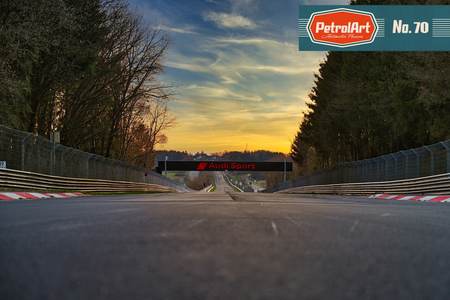
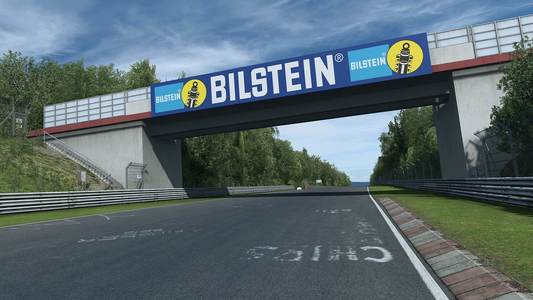
The name comes from the nearby town of Döttingen. Strictly speaking, this is not a corner but a full two-kilometer straight. The BTG layout that most amateur drivers use does not include it. BTG stands for Bridge to Gantry: the bridge is at the end of Döttinger Höhe, and the gantry is just after Galgenkopf.
For most people driving the BTG layout, this is the first genuinely challenging corner after the start. It is not especially difficult, but on the full Nordschleife layout, arriving here after accelerating down the long straight makes the racing line much more demanding.
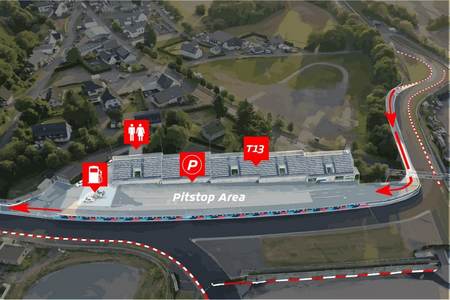
As the start of the full circuit, this area has the pit lane and a large grandstand named T13. It is also close to the highest point of the entire track.